

Published on
July 14, 2026
Image generated with Ai
Park Hyatt Maldives Hadahaa has placed fourth in the Best House Reefs category at the 2026 Travel + Leisure Luxury Awards Asia Pacific, recognising its island-wide reef access, coral gardens and marine encounters in North Huvadhu Atoll.
Park Hyatt Maldives Hadahaa has secured another prominent place in the Maldives’ marine tourism story after readers ranked its house reef among the country’s four best in the 2026 Travel + Leisure Luxury Awards Asia Pacific. The result puts fresh attention on a natural attraction that begins only steps from the resort’s beaches and overwater villas.
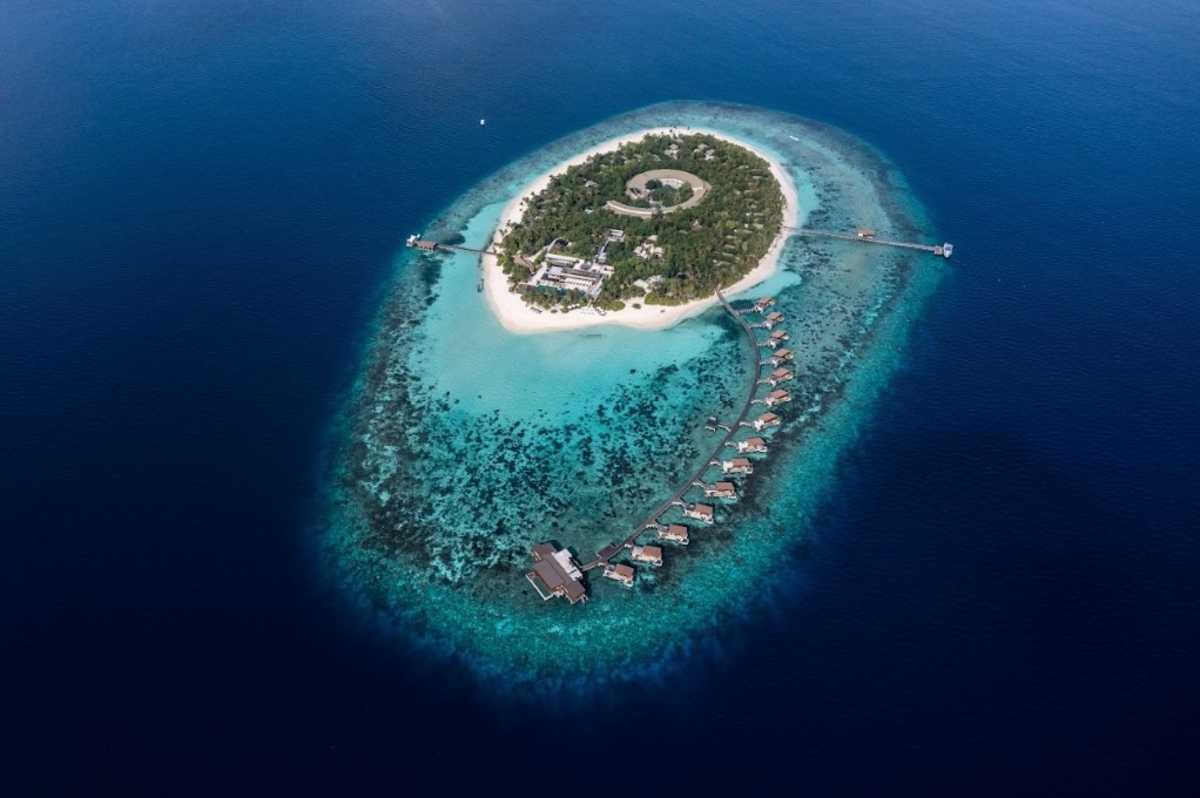
Set in North Huvadhu Atoll, the intimate island resort is encircled by a 360-degree reef with coral gardens, steep drop-offs and habitats used by tropical fish, rays, reef sharks and sea turtles. Guests can enter from designated points around the island, including two piers, without needing a boat for every snorkelling session. That immediate access is central to the reef’s appeal.
The award was determined by reader votes, so it reflects traveller experience rather than a scientific assessment of coral health. Even so, the fourth-place finish strengthens Hadahaa’s standing as a nature-led luxury resort and highlights how reef access now influences holiday choices in the Maldives. The property combines 51 villas, diving, freediving, wellness, dining and environmental education with a secluded setting. Its latest recognition also raises a wider question for the resort sector: how can luxury tourism benefit from spectacular marine ecosystems while helping protect them for the future?
Reader votes put Hadahaa in the Maldives’ top four
The Travel + Leisure Luxury Awards Asia Pacific 2026 placed Park Hyatt Maldives Hadahaa fourth in the Maldives house reef category. The awards cover major elements of luxury travel, including resorts, villas, pools, spas and marine experiences, and are decided through reader voting.
That distinction matters because the result measures how travellers remember and value the overall experience. It considers more than coral alone. Ease of entry, water clarity, wildlife encounters, guiding, safety and the emotional impact of exploring directly from an island can all shape a vote.
Advertisement
Advertisement
Hadahaa has also appeared repeatedly in earlier editions, reaching the top ten in 2023, the top three in 2024 and the top five in 2025. Its latest position therefore reflects sustained visibility rather than a one-off appearance.
A true house reef removes the need for constant boat trips
A house reef is valuable because it brings the underwater experience into the daily rhythm of a resort stay. At Hadahaa, guests do not have to reserve an excursion each time they want to snorkel. The official Park Hyatt Maldives Hadahaa page describes the reef as a living ring around the island, accessible from its beaches and villas.
Advertisement
Advertisement
This allows travellers to enter the water when conditions suit them, return for a second session later in the day and explore different sides of the island. It also makes the reef relevant to more than dedicated divers. Couples, families and first-time snorkellers can build shorter, manageable sessions into their stay.
However, direct access does not remove the need for care. Currents, tides and visibility can change, so guests should follow local guidance, use marked entry points and avoid touching or standing on coral.
Coral gardens and marine life define the underwater appeal
The reef’s strongest selling point is variety within a compact area. The resort reports coral gardens, reef walls and drop-offs that support schools of tropical fish, rays, reef sharks and sea turtles. Occasional pelagic visitors may also pass through surrounding waters, although wildlife sightings can never be guaranteed.
This combination gives each entry a different character. A shallow session may focus on small reef fish and coral detail, while a route closer to the drop-off can reveal larger species moving through deeper water. The result is an experience that rewards repetition rather than a single checklist snorkel.
Advertisement
Advertisement
Hadahaa’s imagery is dramatic, but responsible reporting requires a clear distinction between guest observations and formal ecological data. A reader-voted award confirms that visitors find the reef memorable; it does not by itself measure coral cover, species abundance or long-term resilience. Those questions require consistent scientific monitoring.
Huvadhu Atoll gives the resort a powerful sense of place
Hadahaa’s location in the remote south of the Maldives is central to its identity. North Huvadhu, within Gaafu Alifu Atoll, feels markedly removed from the busier resort clusters around Malé. The setting supports the property’s emphasis on privacy, slower travel and close contact with the ocean.
It also makes the reef more than a recreational facility. The surrounding marine environment becomes the defining landscape of the stay. The Hadahaa Living Island programme presents the island as a natural system rather than a heavily engineered resort platform.
Hyatt says the shoreline is allowed to change with seasonal tides and that the island operates without seawalls or sand pumping. Those are resort claims, but they explain the philosophy behind its positioning: nature should remain visible, dynamic and imperfect rather than being reshaped into a fixed postcard scene.
Snorkelling, diving and freediving broaden the experience
The house reef is the easiest entry point, but it is not the limit of Hadahaa’s marine offer. The resort’s Blue Journeys Marine Experience Centre organises diving, guided snorkelling and freediving in the wider Huvadhu Atoll.
This creates a useful progression for guests. Beginners can start close to shore, improve confidence with professional support and later join deeper or more technically demanding excursions. Experienced divers can use the resort as a base for wall dives and other sites beyond the island. Freediving adds a quieter form of exploration built around breath control, technique and close observation.
Advertisement
Advertisement
The range also helps the property serve mixed groups whose members have different skill levels. Importantly, the best option is not always the most ambitious one. A carefully timed house-reef snorkel can be as rewarding as a boat dive when conditions, ability and wildlife activity align.
Conservation claims carry greater weight beside a celebrated reef
A resort that markets a thriving reef also accepts a visible responsibility for its protection. Park Hyatt Maldives Hadahaa links its marine activities with environmental education through Blue Journeys, its Ocean Lab and the Dhoani Learning Centre. Its current resort information also lists EarthCheck Silver certification for 2025 and ISO 14001 environmental management recognition for 2024.
These credentials add structure to the sustainability narrative, but certification should be treated as part of an ongoing process, not a permanent guarantee. Coral reefs remain exposed to warming seas, bleaching, pollution and physical damage.
Official Maldives environmental strategies identify reef monitoring and resilience as national priorities, while Visit Maldives notes the importance of protected marine areas and biodiversity conservation. For travellers, responsible behaviour remains practical: use reef-safe practices, keep a safe distance from wildlife, secure loose equipment and never remove coral or shells.
Fifty-one villas keep the resort intimate and reef-focused
The resort’s small scale supports its quiet, nature-led positioning. Park Hyatt Maldives Hadahaa has 51 villas, comprising 36 beach villas, 14 overwater villas and the three-bedroom Kiaali Residence at the edge of the house reef.
Floor-to-ceiling windows, private decks and direct beach or water access keep the ocean visually present throughout the stay. Some villas include plunge pools, while the Kiaali Residence adds a private infinity pool and butler service. Yet the important feature for this story is not the size of the accommodation. It is the relationship between the villas and the reef.
Advertisement
Advertisement
Guests can move quickly from private space to open water, making marine exploration part of the day rather than a separate attraction. The limited villa count may also appeal to travellers who prefer privacy over the extensive facilities of a large island resort, although room category, access and swimming confidence should be considered before booking.
The award strengthens nature-led luxury tourism in the Maldives
The recognition arrives as Maldives resorts increasingly compete through experiences that cannot be replicated by architecture alone. Overwater villas, private pools and destination dining remain important, but a healthy-looking, accessible reef gives a resort a distinctive natural asset.
It can support snorkelling, diving, photography, education and family discovery without requiring a heavily programmed itinerary. That makes the environment part of the product, but it also exposes the weakness of any tourism model that treats biodiversity as scenery rather than living infrastructure.
Reefs help sustain marine life, local livelihoods and the appeal of the destination itself. The Maldives’ official tourism platform describes coral ecosystems as central to national protection and resilience. Hadahaa’s award therefore has significance beyond a ranking. It shows that travellers notice direct contact with nature and may reward properties that place the marine environment at the centre of the guest experience.
What the recognition means for travellers planning a stay
For prospective guests, the award offers a clear signal: Park Hyatt Maldives Hadahaa is especially relevant to travellers who want reef access to shape the holiday, not simply fill one afternoon. It suits confident snorkellers, divers, underwater photographers and families seeking guided marine learning.
It may be less suitable for guests who prioritise a large resort atmosphere, extensive nightlife or the shortest possible transfer from Malé. Before travelling, guests should ask about seasonal conditions, current reef-entry guidance, equipment, children’s supervision and the availability of guided sessions. They should also remember that no award can promise calm seas, perfect visibility or specific wildlife.
General Manager Anshul Sharma said the recognition reflected both the island’s natural beauty and the team’s commitment to protecting the ecosystem. That is the central test ahead: maintaining a memorable luxury experience while ensuring the reef remains more than an award-winning backdrop for future visitors.
Advertisement
Advertisement

