


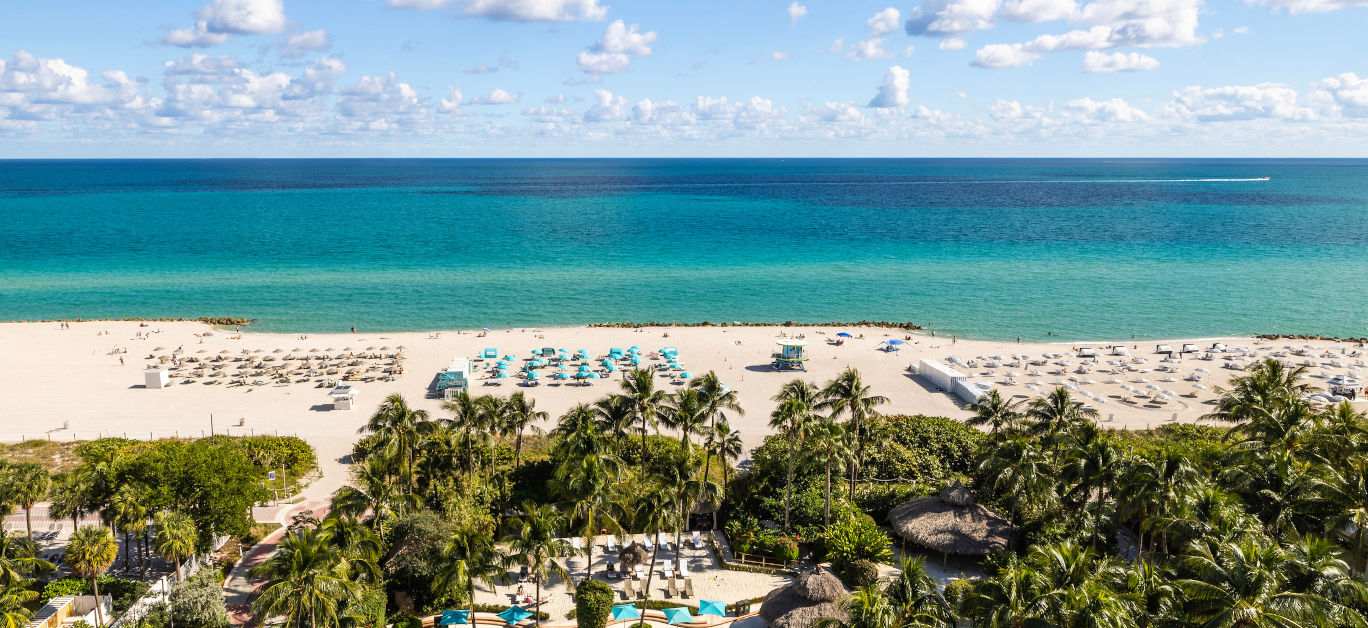
It might be a surprise to some to discover that Miami Beach is largely a man-made, reclaimed island. It was originally a strip of uninhabitable mangrove swamps and marshland, transformed into the gleaming city it is today through dredging, land reclamation, and sand pumping. As a result, locals understand better than most how vital sustainability is to the future and continued success of this hugely iconic destination.
The city is actively expanding its tree canopy to combat rising temperatures from global warming and increase biodiversity. They actively encourage recycling and composting throughout the community to divert waste from landfills. They’ve also secured around seven miles of coastline that serves as a nesting habitat for endangered sea turtles.
They are also actively promoting sustainable travel experiences for visitors to Miami Beach. We highlight some of these initiatives below.
The ReefLine: Where art meets ocean conservation
A unique seven-mile underwater sculpture park, ReefLine is located just off Miami Beach (approximately 600 feet offshore). The project – conceived by Ximena Caminos, a renowned cultural placemaker and entrepreneur, originally from Argentina – is being launched in phases and started in October 2025.
The vast distance this sculpture park covers is from 4th Street in South Beach to Bal Harbour. Visitors will be able to dive or snorkel to discover unique, world-class art installations. The submerged artworks are generally around 20 feet below the surface and you generally book a half-day tour with scuba diving and snorkelling companies like Diver’s Paradise Miami.
The signature creation so far is the ‘Concrete Coral’ designed by Argentine artist Leandro Erlich. It is just offshore near 4th and 5th Streets in South Beach and features a ‘traffic jam’ of 22 life-sized, concrete cars resting on the seabed. The cars have been moulded using specialised marine-grade concrete and embedded with thousands of native corals. The vehicles act as a substrate to allow the coral system to flourish again.
The Florida Reef Tract is the world’s third-largest coral reef system, and this art installation is a symbolic reversal of the environmental damage caused by traditional combustion engines.
The coral seeding efforts come from the nearby ReefLine Miami Native Coral Lab. The proactive outplanting process helps to speed up the growth of these vital aquatic habitats, which in turn helps to support fish populations and coastal integrity. By creating this accessible model of ecotourism, they are increasing ocean awareness and environmental stewardship. The project has a 10-year masterplan, so expect final completion post-2035.
Award-winning sustainable wellness resort in Miami Beach
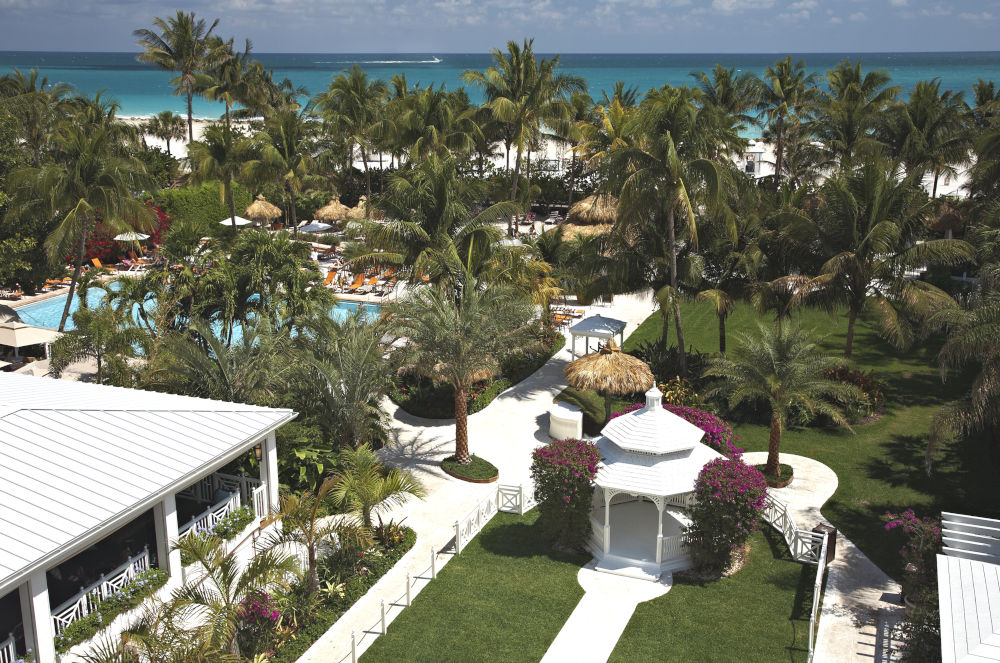
The Palms Hotel and Spa in Miami Beach has been a pioneer in showcasing how luxury can go hand in hand with sustainability. They have impeccable green credentials, from a distinguished Green Globe and four Green Key eco-ratings to a Florida Green Lodging Three Palm certification. The hotel in general has a lush, tropical garden vibe with a nautical Art Deco style and it has retained its 1940s façade. It has a more laid-back, relaxed atmosphere compared to some of the other hotels in South Beach, which are more party-focused.
Their sustainability efforts that are catching attention include the ‘Fill a Bucket Challenge’ where guests are awarded a free gelato for helping to clean up the nearby beach. As the hotel is completely plastic-free, you will only find aluminium bottles in the hotel rooms. They have an eco-conscious toilet and sink combination, where the hand-washing water is re-routed to be used for flushing the toilet. All the rooms also have smart sensors for lighting and temperature control, and will switch off if there is no one in the room.
Signature indoor restaurant Essensia has a suitably natural and biophilic design and is transformed into an airy, tropical paradise. Even their handhelds, like the spicy Key West shrimp wrap, have a suitably green-coloured outer, soft flatbread. The provenance of most of their ingredients is listed on the menu – they use farm-raised Atlantic salmon from Homestead, Florida, which focuses on sustainable aquaculture, while the organic burrata is made locally in Miami with no preservatives.
To complement their lush, environment-focused ethos, you can take part in sound bowl and sound bath sessions at AVEDA Spa. The soothing vibrations from the Nepalese sound bowls are deeply relaxing and transformative, and you will leave the hotel feeling rejuvenated.
Other sustainability-focused vendors to consider

Although not based in Miami Beach, visitors should definitely hop over the bridge to Little Havana in Miami. Here, you can immerse yourself in the Cuban beats and culture at Café La Trova. The legendary venue was founded by master bartender Julio Cabrera and chef Michelle Bernstein and you can expect a potent mix of modern Cuban cuisine, world-class mixology, and one of the best live music venues in town. They play an energising mix of Cuban, Salsa, and Trova sounds and they also have very eco-friendly credentials, including a Green Restaurant Association Certification. This means they have ongoing commitments to improve waste reduction, improve water usage, and sustainable sourcing of their ingredients.
If you are looking for somewhere family-friendly, energetic, and with a dash of sophistication, do check out Loews Miami Beach Hotel. With 790 well-appointed rooms and six Miami-inspired restaurants, it is one of the largest hotels in Miami Beach. Their expansive, palm-fringed outdoor pool is widely regarded as one of the best pools in South Beach and they also have a prestigious four Green Key certification from Green Key Global. There’s a smart technology heating system, so instead of using large, continuously heated water tanks, they have an on-demand heating system, which reduces energy and water wastage.
For further information, visit MiamiandMiamiBeach.com.
