
A Rolex does not tell time any better than a Casio. A Birkin performs the same function as any other bag. A first-class seat gets you to the same destination as an economy seat. This has always been true, and it has never been the point. Status symbols were never about utility. They were about signal—proof of position, shorthand for success, a way of locating yourself in the hierarchy without having to say a word.
The problem is that the old shorthand is not working the way it used to. Cheap manufacturing, the dupe economy, and buy-now-pay-later have made it easier than ever to look wealthy without being wealthy. You can smell like a $900 fragrance for $18. You can carry the Birkin silhouette for $80. You can post a Paris trip on a credit card and make the repayments slowly, invisibly, over time. Social media collapses the distinction between having and appearing to have, because the audience only sees the curated moment. When everyone can look rich, the truly wealthy have to find other ways to signal that they are. They have found them. And the new signals are considerably harder to fake.
The Body Is the New Bag
Status is shifting inward. The new frontier is well-being status; personal health metrics like a low biological age or a high VO2 max score are becoming more significant symbols of wealth and discipline than traditional luxury goods. A continuous glucose monitor worn on the wrist is not a medical device to most people who wear one; it is a statement. The $25,000 annual executive health protocol—bloodwork, hormone panels, longevity consultations, IV drips, cryotherapy—has become a primary status marker among the sophisticated wealthy, redirecting spending from public display to private optimization.
This is not accidental. Health has become the one thing money can demonstrably buy but cannot fully replicate at a lower cost. A Chanel jacket can be duped. A biological age of 38 when you are 55 cannot. Celebrities have accelerated this narrative considerably. Bryan Johnson, the tech entrepreneur spending millions annually on reversing his biological age, turned his protocol into a media brand. Hailey Bieber’s documented commitment to peptide therapy, Pilates, and personalized nutrition has more cultural traction than any handbag she has ever carried. The body, optimized and maintained, is the most exclusive luxury item of the moment, because it requires not just money but time, discipline, and access to information most people do not have.
Ozempic and GLP-1 drugs complicated this picture somewhat. Being thin and looking youthful used to require wealth. Then the middle class gained access to weight-loss medication and boutique wellness. The goalposts shifted again, as they always do. Now the signal is not thinness but visible, specific, intentional health optimization. The casual gym body is not enough. The longevity protocol is.
Privacy Is the Most Exclusive Product on the Market
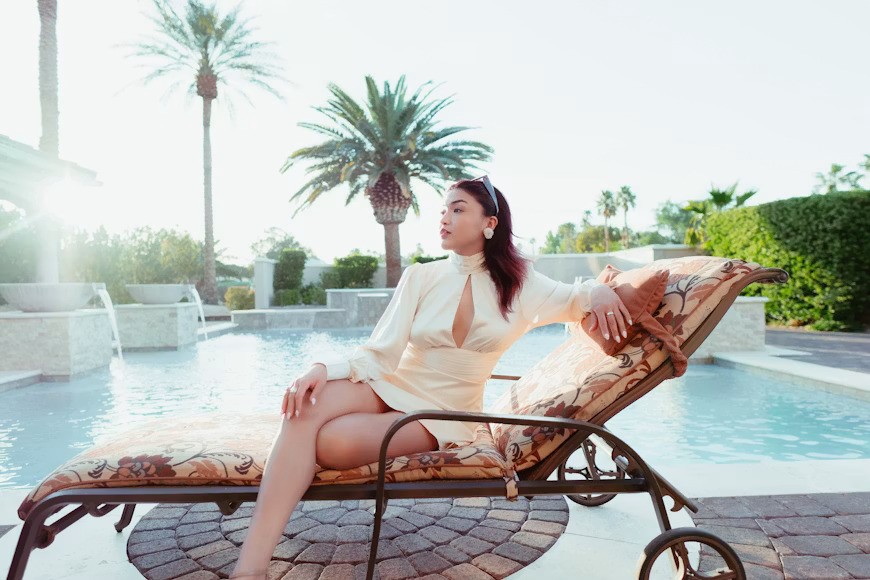
Flashy logos are no longer doing it. The truly wealthy are now showcasing status through less tangible, yet far more elusive, assets, opting out of social media or having enough leisure time to exist without documenting it. The empty Instagram account of an ultra-high-net-worth individual says more than the curated feed of an aspirational one. It says: I have nothing to prove and nowhere to be.
This is a reversal of everything social media has trained us to value. For a decade, visibility was the currency. The more you posted, the more you existed. Celebrities built entire brands on their willingness to share everything. Elizabeth Olsen quit all social media in 2020, saying she did not want to portray a character of herself. Pete Davidson has remained off personal accounts since 2023 to protect his peace. Both decisions were initially read as unusual. Now they are being reframed as aspirational. Choosing invisibility, when visibility is the default, is an act that requires a certain level of security—financial, psychological, and professional.
Privacy can only be coveted if it is scarce. Social media companies have made it scarce. That scarcity is what makes opting out such a powerful signal. The family offices of the world’s wealthiest individuals maintain no websites, issue no press releases, and appear in no directories. Their absence is the point. It communicates that they operate entirely through relationships, not platforms, and relationships of the kind that require no public presence are, by definition, the most exclusive kind.
Experience Over Ownership (Especially If You Cannot Get In)

Chef-led, reservation-only dining experiences, members-only clubs, and wellness retreats designed around privacy and personalization have replaced more visible forms of luxury consumption. These experiences are often expensive, but more importantly, they are curated. The distinction matters. A bag is expensive. A reservation at a 12-seat omakase counter that requires a personal introduction just to join the waitlist is expensive and inaccessible. The inaccessibility is a feature, not a detail.
Luxury travel is undergoing the same transformation. Travelers are seeking experiences that feel authentic and immersive—cooking with local families in Morocco, spending a night in an Icelandic lighthouse, or participating in a vineyard harvest in Portugal. These activities require insider knowledge and special access, making them highly sought after. The shift from “I stayed at The Ritz” to “I stayed at a place you’ve never heard of and couldn’t have found without knowing someone” reflects a precise recalibration of what exclusivity means.
Beyoncé and Jay-Z are an instructive case study. Two of the most famous people on the planet have spent the last several years making their leisure progressively less visible and progressively more exclusive—private islands, closed events, access that even other wealthy people cannot buy. The message is simple: true status is not visible to most people, by design.
Gen Z Is Rewriting the Script Entirely
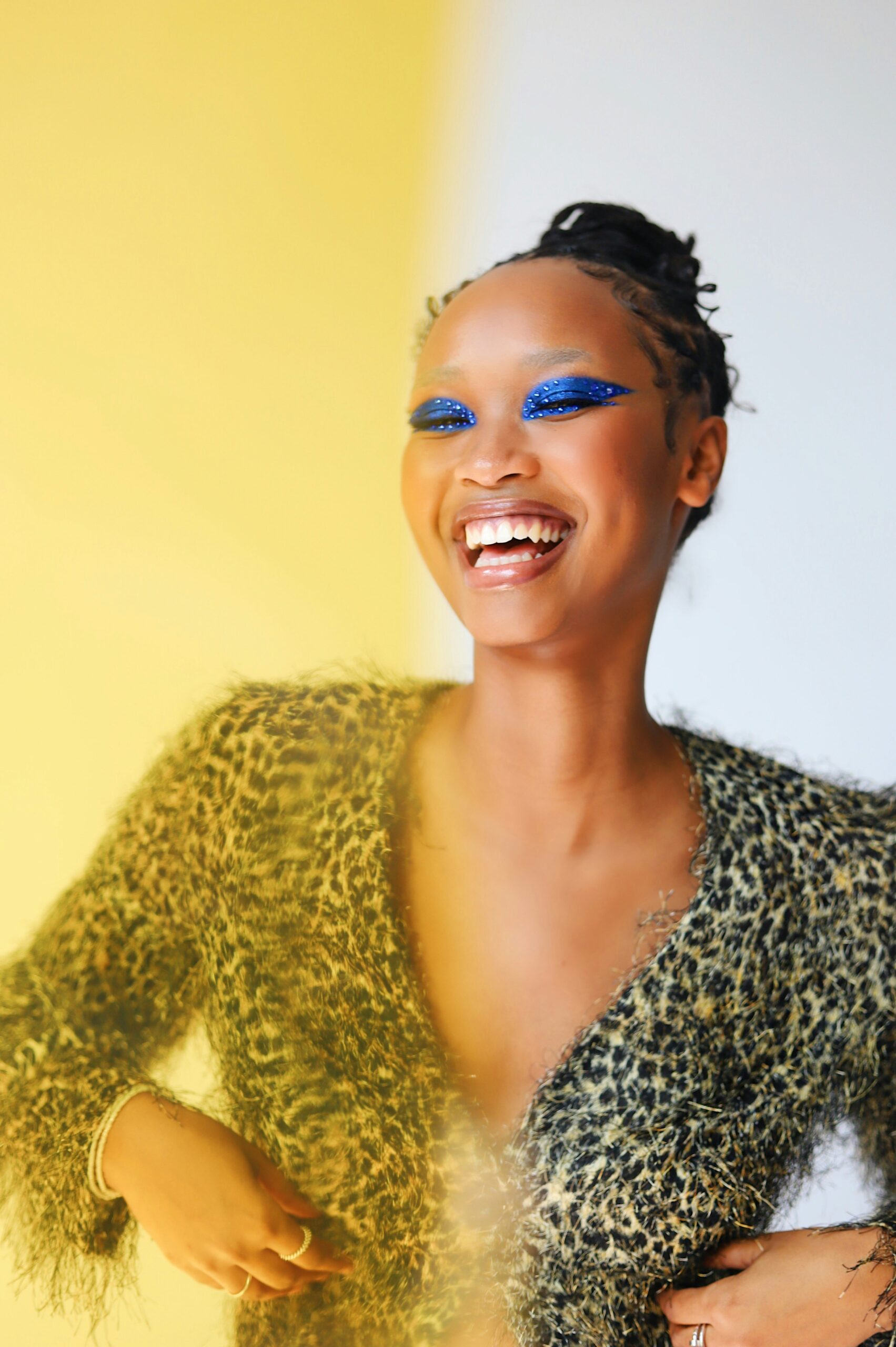
Gen Z is pioneering a shared luxury model, preferring collective access over individual ownership. They value experiences, brand ethics, and community over traditional status symbols, forcing legacy brands to rethink their value proposition and create more accessible entry points. For a generation shaped by climate anxiety, a pandemic, and a housing crisis that made ownership feel structurally impossible, the idea that a single expensive object signals status reads as outdated. What signals status in this framework is access, taste, and the ability to curate a life rather than simply accumulate things within it.
This does not mean Gen Z is immune to status signaling. It means the signals have changed. A rare vinyl record. A limited-run collaboration from a brand with a credible sustainability story. A sneaker from a small independent label that requires cultural literacy to even recognize. These are the markers of a generation that has absorbed the lesson that everything visible can be replicated, and has decided, accordingly, to move the game somewhere harder to follow.
What This Means for Traditional Luxury
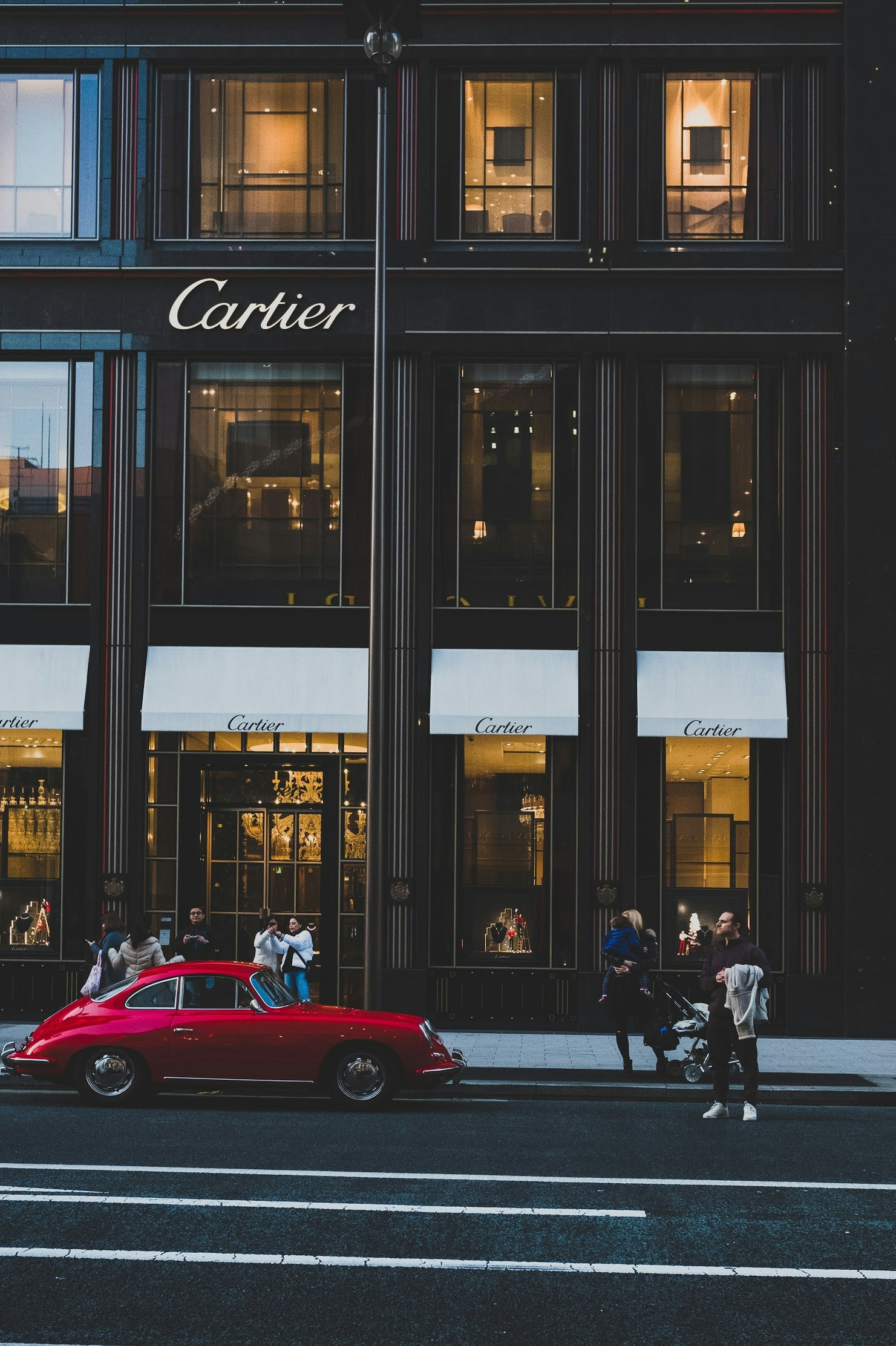
Traditional luxury is not disappearing. The Birkin is not going anywhere. The mainstream luxury market is still thriving, and high-status people have not abandoned the pursuit of social cachet. They are just finding different ways to pursue it. What is changing is the hierarchy of signals. The bag is no longer the primary statement; it is the supporting detail in a life that communicates status through health, privacy, access, and the quiet confidence of someone who no longer needs to prove anything.
Meanwhile, the quality of everyday goods has degraded so dramatically that the “real” version—food that actually tastes like something, furniture made from actual wood, clothes that last longer than a season—has become a status signal in its own right. Knowing where your food comes from, owning things built to last, choosing quality over volume: these are consumption habits that look simple but often cost significantly more than they appear to. Which is, of course, the point.
Status has always been about the gap between what something costs and what it looks like it costs. The new status symbols have simply moved that gap somewhere more interesting.
Featured image: @theyusufs/Instagram
These Fashion Brands Are Redefining Modern Luxury For Men
