


Luxury is a language of taste, access, confidence and emotional reward. But as affluent consumers become more selective, brands can no longer afford to treat wealth, taste and aspiration as though they are the same thing.
A person may have significant spending power but little interest in obvious status. Another may understand the cultural codes of a category and buy selectively, without being truly high-net-worth. A third may be highly aspirational, using luxury purchases to signal progress, identity or belonging.
For brands operating in fashion, travel, property, fine dining, watches, beauty, automotive or private client services, these differences matter. The risk is not simply wasted marketing spend. It is building campaigns, experiences or product propositions around a version of luxury that does not match the people they most want to reach.
Wealth does not always mean visible spending
One of the oldest assumptions in luxury marketing is that wealth naturally leads to display. Sometimes it does. There will always be a place for statement pieces, iconic addresses, trophy assets and objects that communicate success at a glance.
Yet many wealthy consumers are less interested in being seen and more interested in being quietly understood. This shift is echoed in Knight Frank’s Wealth Report, which describes luxury spending as increasingly considered, experience-led and connected to personal transformation. Their choices may be shaped by privacy, ease, trust, exceptional service and access to things that are difficult to replicate.
That might mean a discreet members’ club rather than a crowded destination restaurant, a private travel itinerary instead of a highly publicised resort, or a rare watch chosen for its movement and provenance rather than instant recognition.
For luxury brands, this creates a challenge. The most valuable customers are not always the loudest or most socially expressive. If a brand only listens to public signals, it may miss the quieter behaviours that shape serious spending power, from how people choose an adviser to how they evaluate a private travel experience or major property purchase.
Taste is increasingly linked to knowledge, access and restraint
Taste is not the same as wealth. It is shaped by experience, cultural knowledge and the confidence to choose without needing external validation.
In luxury, taste often reveals itself through details: craftsmanship over logos, provenance over novelty, discretion over performance and personal meaning over mass recognition. It is why a restored country house hotel, a limited-production vineyard or a made-to-measure jacket can feel more compelling than something simply described as expensive.
This is particularly true among consumers who have spent years engaging with a category. They know the makers, the materials, the stories and the difference between genuine rarity and manufactured exclusivity. They are not just asking, ‘What does this cost?’ They are asking, ‘Why does this matter?’
As a result, luxury brands need to speak with greater nuance. The most persuasive messages are not always the most glamorous. Often, they are the most informed.
Aspirational luxury behaves differently from HNWI luxury
Aspirational luxury has its own value and should not be dismissed. For many consumers, a luxury purchase marks a milestone: a promotion, a celebration, a personal achievement or a step into a lifestyle they have long admired.
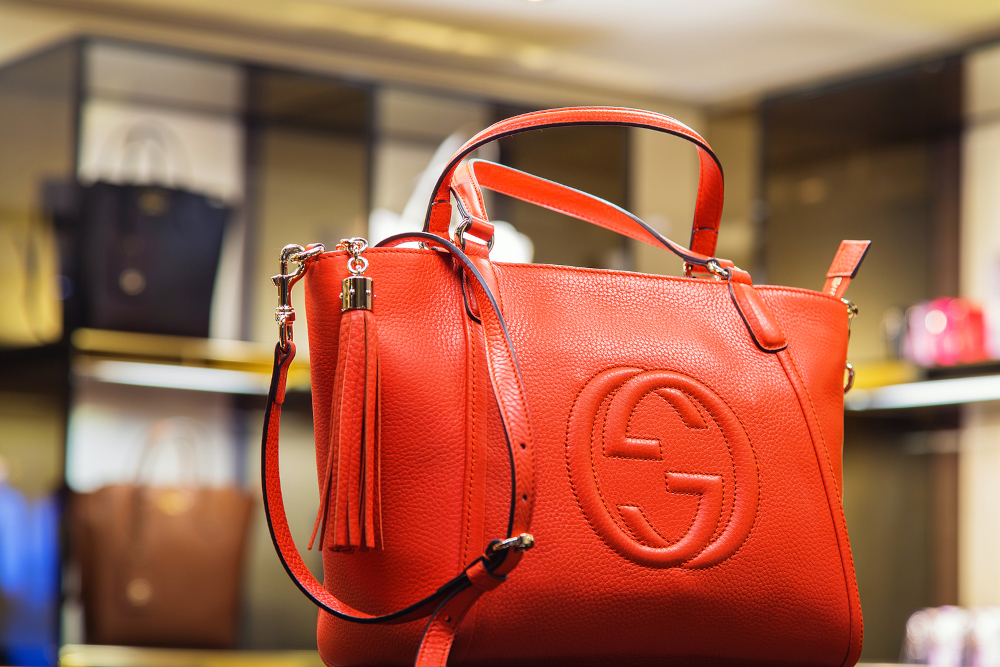
These buyers may respond strongly to visibility, storytelling, social proof and the emotional promise of transformation. The handbag, hotel suite, tasting menu or premium skincare product is not only a purchase; it is a symbol of progress.
High-net-worth individuals often approach luxury from a different starting point. They may already have status, access and choice, so the role of luxury changes. It becomes less about proving arrival and more about improving life: saving time, reducing friction, deepening enjoyment or gaining access to experiences that feel genuinely personal.
This distinction matters because it affects more than advertising tone. Messaging that excites an aspirational buyer may feel too obvious to an HNWI. Equally, a highly discreet private-client approach may fail to inspire consumers who are still drawn to the theatre and symbolism of luxury.
The strongest brands understand that aspiration and wealth can overlap, but they are not interchangeable. That understanding can influence where a brand invests, which channels it prioritises, how it designs loyalty, and how it decides whether a product should feel accessible, rare, discreet or culturally significant.
Why the ‘affluent consumer’ is too broad a label
The phrase ‘affluent consumer’ appears often in luxury commentary, but it can flatten important differences. Income and assets may explain spending capacity, but they do not explain taste, confidence, cultural references or the private reasons behind a purchase.
In travel, for instance, one affluent guest may be looking for a once-in-a-lifetime celebration. Another may want originality and the sense of discovering somewhere before it becomes widely known. A high-net-worth traveller may simply expect every detail to be anticipated before they ask.

Property follows a similar pattern. For some buyers, a prime address is about investment and capital preservation. For others, it is about design, schools, lifestyle, legacy or international mobility. The visible purchase may look the same from the outside, but the decision behind it can be entirely different.
This is why the most interesting luxury insight often sits beneath the surface. Market research into high-net-worth audiences points to a broader truth: wealth is only one part of the story. The more revealing question is what people want luxury to do for them, and how that expectation changes by category, market and life stage.
Sometimes the answer is recognition. Sometimes it is privacy, pleasure, convenience, security, belonging or simply the confidence that someone has understood their standards without needing them to explain.
The cost of misreading luxury signals
When brands confuse wealth, taste and aspiration, the consequences are strategic as well as creative.
A campaign built around visible status may attract attention, but fail to convert the clients most likely to spend at the highest level. A product launch designed for aspirational excitement may not resonate with established high-net-worth buyers. Equally, a private-client approach that is too restrained may miss the emotional pull that brings new consumers into the category.

The problem is rarely a lack of ambition. More often, it is a lack of precision. Luxury plays different roles in different lives: reward, investment, escape, identity, family tradition, social signal or private pleasure. That is why the most important luxury question is no longer simply whether someone can buy. It is why they buy, what they want the purchase to say, and whether they expect a brand to offer recognition, reassurance, access, expertise or ease.
Brands that understand these motivations can make better decisions about product, pricing, communications, service design and client experience. They are also better placed to protect desirability while still finding new routes to growth.
The future of luxury is more personal, not simply more expensive
Luxury will always involve quality, beauty and desire. But the next phase of luxury will be defined by a more sophisticated understanding of the consumer behind the purchase.
Wealth may indicate the ability to spend, but it does not explain taste. Taste may reveal cultural confidence, but it does not always signal high net worth. Aspiration may drive powerful emotional engagement, but it behaves differently from established wealth.
For luxury brands, the opportunity is clear. The aim is not simply to reach affluent consumers, but to understand what kind of luxury matters to them, what role it plays in their lives and how those expectations should shape brand strategy. The brands that do this well will not just look luxurious, they will feel relevant, trusted and difficult to replace.
