


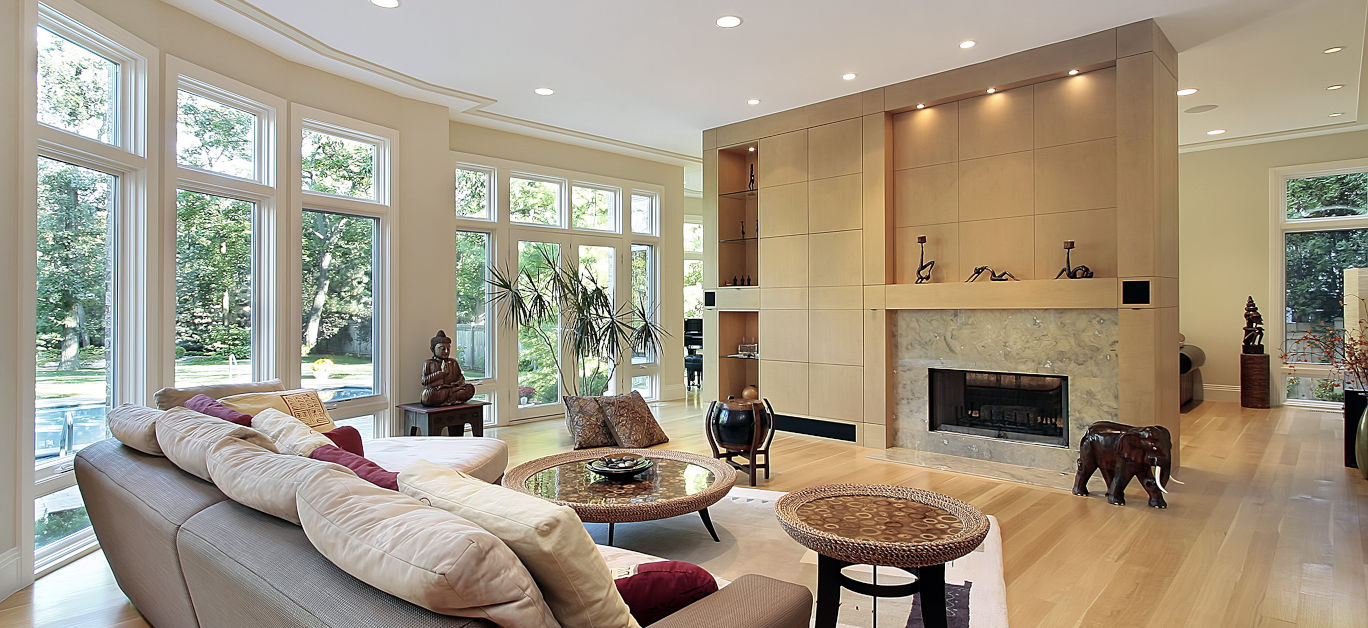
Luxury furniture has long been about heritage and craftsmanship, but in 2026, it’s as much about the buying experience as it is the furniture itself. The modern luxury consumer is no longer impressed with a sofa or a chair if it doesn’t come as part of a seamless journey, whether online or off, and thanks to the latest technological innovations, they no longer have to settle for anything less.
In 2026, the luxury customer journey is immersive, hyper-personalised, and effortlessly fuses the physical and digital worlds to ensure that every step of the buying process feels elevated yet natural.
Today’s luxury consumers are more discerning than ever before, and high-end furniture brands are taking note. Here, we take a look at how they are adapting rapidly to continue to cater to their evolving demands – and redefine the luxury buying experience.
Physical meets digital
Furniture showrooms – in other words, physical retail spaces – were once limited to a few key pieces on display, often staged to help customers envisage how they could look in a home setting. But these days, luxury brands are taking things to the next level, with some now leveraging virtual and augmented reality to allow buyers not just to see what a piece of furniture might look like in any living space, but precisely how it would look in their own homes. These fully immersive experiences are making it possible to walk through virtual living spaces and get a real feel for what the end result would feel like, taking the guesswork out of choosing the right piece and allowing customers to “try before they buy”.
While personalised attention is still a cornerstone of the luxury customer experience in physical stores, other tech innovations have streamlined the process, with responsive digital displays using AI to present additional information and make suggestions based on what customers are viewing – from showing them different colourways and configurations, to suggesting different ways to style furniture. It ensures that customers get the instant attention they deserve and saves time to make the shopping experience more efficient, all whilst ensuring customers continue to feel just as highly valued as they always have.
Seamless online experiences
In the online space, the customer experience has also become increasingly elevated. By combining vibrant imagery with cinematic video, luxury brands are instantly captivating visitors and drawing them in – and with virtual and augmented reality walkthroughs now becoming more common, brands’ online worlds are becoming just as immersive as modern offline retail spaces.
3D rendering plays a key role in this, and has become an indispensable tool when it comes to both online and offline interactions. Thanks to 3D product rendering services, brands are now able to provide customers with high-quality digital models that make it possible to explore and experience pieces of furniture in various different colours, materials, configurations and lighting conditions in a way that looks and feels entirely real – and get a real idea of how its presence would be felt in a space.
Once again, AI is playing a starring role in ensuring a smooth and seamless customer journey. Leveraging advanced algorithms to analyse tastes, preferences and past online buying behaviours, customers are served with recommendations that suit them perfectly, and can then make their way through a virtual simulation of their home with the pieces in them, move them around, and add and take away other furnishings until they have achieved their perfect vision.
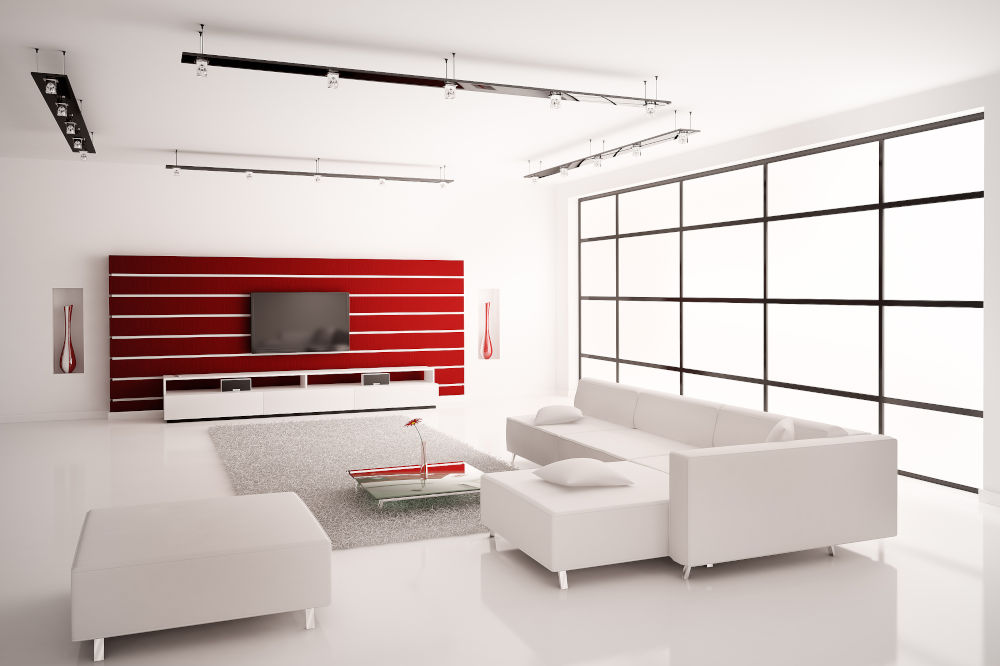
Sometimes, you still need a little bit of human input, and that’s where virtual consultations have come into their own. Gone are the days of needing to visit a showroom to get the kind of insight you need, as today, customers can receive the same kind of experience via your laptop or smartphone, from anywhere in the world.
Hyper-personalisation
As we’ve touched upon, personalisation remains integral to the luxury customer experience, and in 2026, it has reached new heights.
As well as receiving highly-personalised service at every touchpoint thanks to AI, products themselves are becoming more bespoke and customisable than ever before, allowing consumers not just to purchase a beautiful piece of furniture, but to feel fully involved in the design process, having items custom-made to a strict set of criteria or tweaking existing designs to suit their individual needs and tastes. From colours and materials to the finer details, everything can be adapted until they are perfect, ensuring that buyers can always get exactly what they are looking for and feel that they played a real role in bringing it to fruition.
