
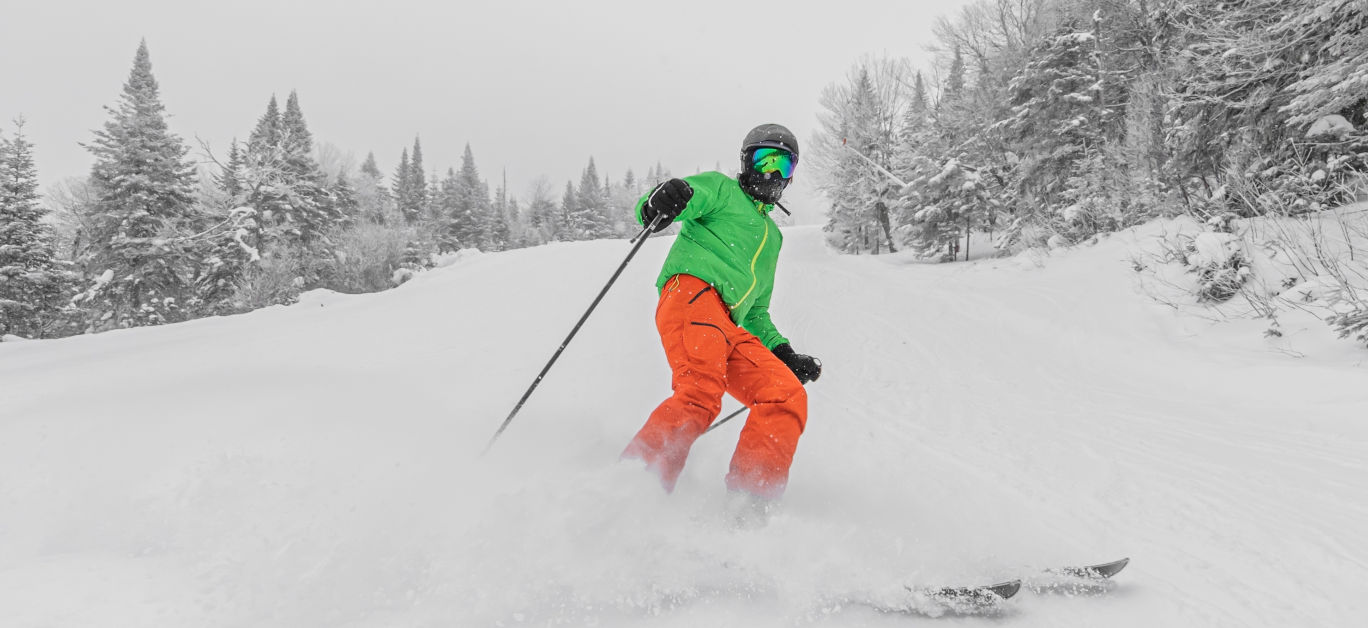
Luxury ski wear has moved a long way from branded fleeces and sponsor patches. Several of the houses now competing in this space have genuine alpine racing pedigree going back decades, while others are recent entrants from menswear tailoring or extreme-sports film-making.
Brand history is a more reliable shortcut here than in most fashion categories – the difference between decades of ski-racing pedigree and a recent lifestyle launch tends to show up in the cut, the waterproofing and the fabric, not just the name on the label. For men shopping the wider luxury ski wear market for the 2026/27 season, here are the brands actually worth knowing.
The best luxury ski wear brands for men in 2026/27
This is an editorial selection, not a ranked or lab-tested comparison, and the 10 brands below are listed alphabetically rather than by preference. Between them they span genuine decades-old ski-racing pedigree, longstanding alpine tailoring, and newer entrants building a technical reputation from scratch.
Aztech Mountain
An Aspen-based label producing pieces in small runs, with coverage in Forbes and the New York Times for combining technical performance with distinctive design at a smaller scale than the larger houses below.
Best for: distinctive, small-batch design – the brand’s own site frames its collections around ‘the unexpected,’ for skiers who don’t want to look like everyone else on the lift.
Bogner
Founded in 1932 by Wilhelm Bogner Sr. and his wife Maria after his own career as a competitive skier, the German house has been dressing skiers for over 90 years and remains one of the most widely recognised names in the category, including through its more casual Fire+Ice line.
Best for: fashion-forward luxury – Bogner’s own site describes its positioning as ‘sportive elegance’ rather than leading with technical specs.
Colmar
The Italian company was founded in 1923, and its ski credentials were cemented in 1952 when Olympic downhill champion Zeno Colo won gold in Oslo wearing a jacket he co-designed with the brand. Colmar went on to supply Italy’s national ski team through several Olympic cycles, including the ‘Valanga Azzurra’ era of the 1970s.
Best for: technical mountain performance – Colmar’s own site emphasises ‘highly technical garments’ built from what it describes as sustainable, cutting-edge materials.
Fusalp
The French label was founded in 1952 by two tailors from Savoie who went on to create the first competition ski suit for the 1966 world championships. Its current men’s collection, sold direct on fusalp.com, includes jackets such as the John and Power models, priced from around £950 to £1,580.
Best for: genuine cold-weather protection – Fusalp’s own site quotes specific temperature ratings, including pieces rated down to -30°C.
J.Lindeberg
A Swedish golf-and-ski crossover brand with a strong men’s performance line, also found in the UK’s designer ski retail space.
Best for: durable, no-fuss practicality – the brand’s own product copy leads with ‘durable fabrics and practical comfort’ rather than performance claims.
KJUS
Founded in 1999 by Lasse Kjus, a skier with 16 Olympic and World Championship medals to his name, KJUS built its reputation on solving specific gear problems – it introduced the industry’s first stretch ski jacket – rather than on fashion positioning.
Best for: fabric and technology innovation – KJUS’s own site foregrounds its three-layer construction and proprietary fabric technology ahead of styling.
Moncler Grenoble
Moncler’s dedicated alpine performance line, carrying the house’s outerwear recognition into ski-specific jackets and trousers.
Best for: a complete mountain wardrobe – Moncler’s own site describes Grenoble as spanning everything from on-slope ski jackets to apres-ski pieces.

Peak Performance
A Swedish label with a long-standing men’s technical outdoor and ski range, stocked alongside several of the names here at UK ski specialists.
Best for: layering strategy – the brand’s own ski guide is built around dressing for the conditions across its Helium and Vertical Pro ranges.
Perfect Moment
Founded in 1984 by extreme sports filmmaker and skier Thierry Donard, positioned around pieces designed to work as well off the mountain as on it.
Best for: refined style on the slopes – the brand’s own site foregrounds ‘refined silhouettes, luxurious fabrics and contemporary style’ over technical claims.
Toni Sailer Sports
Established in 2004, the Austrian label takes its name and aesthetic cues from Toni Sailer, the skier who won three golds at the 1956 Winter Olympics in Cortina d’Ampezzo, translating that era’s style into a contemporary luxury line.
Best for: design and performance in equal measure – the brand’s own tagline translates as ‘style meets function’.
What to check before buying luxury ski wear
Waterproof and breathability ratings. Membrane performance is usually quoted in millimetres of waterproofing and a breathability (RET) figure. A jacket built for a genuine week on the mountain, rather than occasional weekend use, generally needs a higher rating than a piece designed mainly for the apres-ski walk between the chalet and the bar.
Insulation type. Down offers the best warmth-to-weight ratio but performs poorly wet; synthetic insulation is heavier but holds warmth even when damp. Several luxury brands blend the two, or offer a shell-plus-mid-layer system instead of a single insulated jacket.
Fit and cut for the ski stance. A jacket cut for the street will ride up and let in cold air when you’re bent forward on skis. Look for a slightly longer back hem and articulated elbows, which is one of the genuine differences a brand with racing heritage tends to get right.
Sizing runs. European ski wear sizing (French, Italian, Austrian and German brands all vary slightly) rarely matches UK high-street sizing directly, so check the brand’s own size guide rather than assuming your usual size, particularly when buying online.

What are the best luxury ski wear brands for men in 2026?
The 10 brands above span genuine ski-racing pedigree – Bogner, Colmar, Fusalp, KJUS and Toni Sailer Sports all have documented competitive ski-racing roots – alongside longstanding alpine tailoring houses and newer names such as Aztech Mountain, J.Lindeberg, Moncler Grenoble, Peak Performance and Perfect Moment, which are building a technical reputation from scratch. Which one’s right for you depends more on fit, technical spec and price than on how far back the history goes, and the ‘best for’ note under each name is a quicker steer than the history alone.
Do I need a specialist ski brand, or will general luxury outerwear do?
For genuine mountain use, brands with ski-specific technical development – waterproof ratings, articulated cuts, ski-appropriate insulation – tend to perform more reliably than general outerwear repurposed for the slopes, even from a well-known fashion house.
Is older heritage a guarantee of better performance?
Not necessarily. A long racing history shows a brand has had decades to refine its technical detailing, but it doesn’t guarantee every current piece in the range is built to the same standard – check the individual product’s specification rather than relying on the brand name alone.
Final thoughts
Heritage is a useful signal when narrowing down luxury ski wear, but it isn’t the only one that matters – a newer name with the right technical spec can outperform an older one with a weaker build on any given piece. The list above mixes brands with genuine ski-racing pedigree and newer entrants building a technical reputation from scratch, and both are covered honestly on their own terms rather than one being treated as superior. Whichever direction you lean, checking the individual product’s spec against the criteria above is worth the extra few minutes before you buy.
