
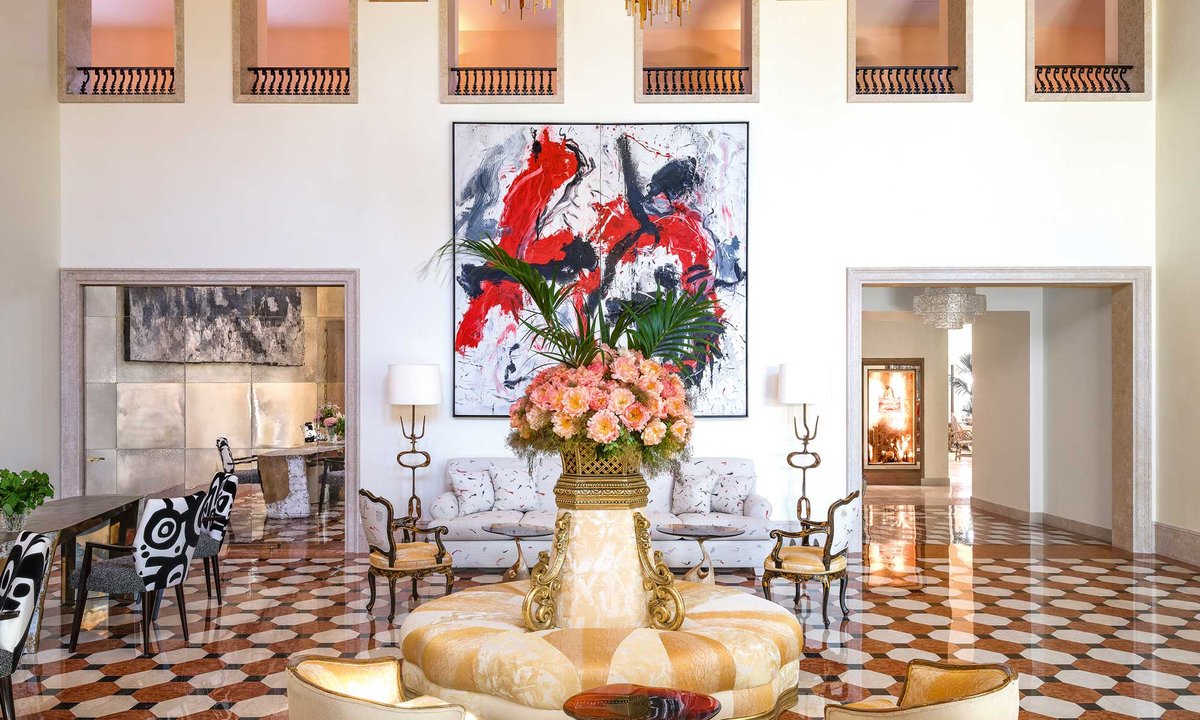
In late May, when New York has recovered from the frenzy of the Frieze art fair and the thrills of its auction week, the city will embrace a uniquely French and elegant invasion with the arrival of Hidden Treasures. This ambitious exhibition celebrating French luxury will take over The Shed in the wake of the contemporary art fair.
The force behind the show is Bénédicte Épinay, the president and chief executive of Comité Colbert, the influential French organisation whose members—from Alain Ducasse to Yves Saint Laurent—include 96 French luxury brands, 17 cultural institutions and six European luxury brands. The Musée du Louvre, Le Bristol hotel, Balenciaga, Veuve Clicquot, Diptyque, Christofle and Louis Vuitton will all be there. “I believe,” Épinay says, “that cultural diplomacy can reframe the power of luxury.”
Bénédicte Épinay, the president and chief executive of Comité Colbert. Photo: © David Atlan
For younger generations, craftsmanship, creativity and culture are a prerequisite
Bénédicte Épinay, the president and chief executive of Comité Colbert
Entente de luxe
It is no coincidence that this act of cultural diplomacy is taking place during the US’s 250th anniversary and nods to the centuries of entente that extended from the alliance between the Marquis de Lafayette and George Washington. Épinay, a former journalist, has proved to be an adept practitioner of the diplomatic arts, backed by the hopes of multiple luxury chief executives. In Shanghai in 2024, in the face of high tariffs, Comité Colbert presented Jeux de Mains, an exhibition focused on the exchange of craftsmanship between the two countries. Steep tariffs on cognac were soon dropped.
There is logic to Épinay’s US focus. Luxury brands now depend on the country for around a third of sales. Talk of a post-Covid K-shaped recovery curve (where different parts of the economy recover at different speeds)—and with Cartier and Van Cleef & Arpels enjoying a 14% rise in regional sales in the last quarter of 2025—reinforces HSBC’s estimate that growth in luxury sales to US consumers will accelerate to 8% in 2026, up from 2% last year. The optics of France’s relationship with the US—from the presence of the extended Arnault family at President Donald Trump’s inauguration to the forthcoming exhibition—coincide with a recently commissioned survey of US consumers by Comité Colbert. Of those surveyed, 46% reported that tariff-driven price increases did not change how they felt about French products.
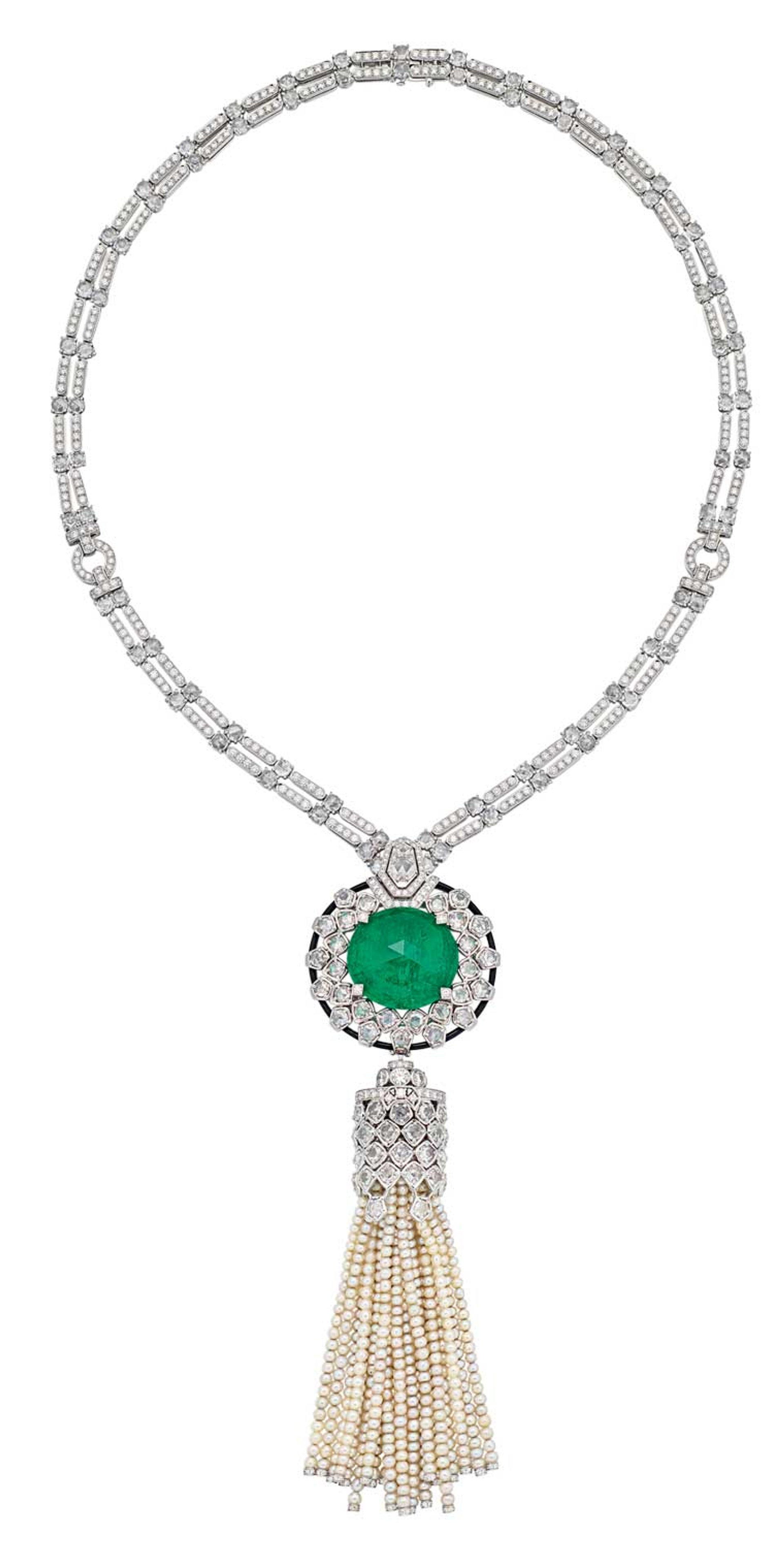
Cartier necklace. Photo: Steven DeVilbiss; courtesy Christie’s Images Ltd
The story in other territories is not the same. “I hate to say it, but Europe is pretty stagnant when it comes to wealth generation at the moment,” says Max Fawcett, the newly appointed global head of jewellery at Christie’s. “But I’ve just been in India, where I could see a new generation growing wealthy extremely quickly.” These new audiences have contributed to Christie’s 17% increase in the luxury category—which includes watches and handbags—and Sotheby’s 22% rise. It is a ray of hope at a time when other luxury sectors’ recent end-of-year financial results were less confident, amid news of restructuring and stores being shuttered.
Ongoing geopolitical uncertainty, Trump’s tariffs, pricing issues and stagnant sales have all contributed to growing question marks around the sector’s future. When even Bernard Arnault, the chair and chief executive of LVMH, has said it is difficult to make “serious predictions” about the year ahead, you sit up and listen.
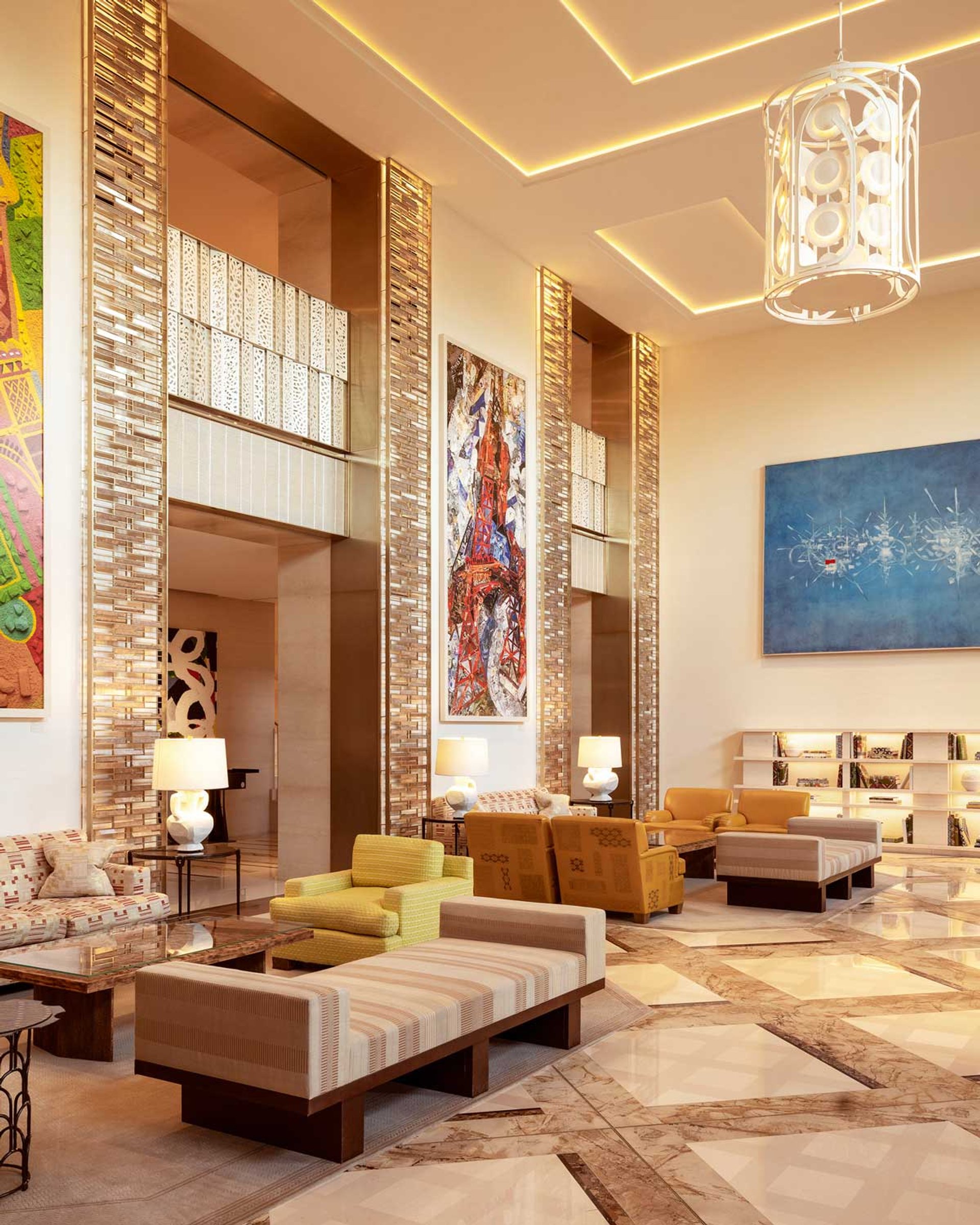
LVMH opened Cheval Blanc Paris in 2021. Photo: Vincent Leroux
It all comes at a time when it is not even clear what luxury means. For some, it remains the traditional appeal of craftsmanship—a bespoke Savile Row suit, say. Gregory Cole, a senior partner in the luxury department at marketing agency FINN Partners in London, says: “It’s all about craft. That’s the buzzword, even in the high-end travel sector.” It is, in fact, the hospitality sector to which LVMH has increasingly turned, including its acquisition of the Belmond group (which includes the recently renovated Cipriani in Venice) in 2018 and the opening of the fancy Cheval Blanc hotel in Paris in 2021. In 2024, it even snapped up Paris’s 100-year old restaurant Chez L’Ami Louis. The luxury retailer, it seems, is inclined to offer experiences in more than just its stores.
Shift in perspective
Yi Ng is the 29-year-old chief executive of SR_A, the multi-part business of the British polymath Samuel Ross, which includes Samuel Ross Atelier and Studio Research Attire. (Ross, a mentee of the US designer Virgil Abloh, works across categories, from streetwear-adjacent fashion to watch designs for Hublot to collectable sculptural furniture presented by the New York gallery Friedman Benda.) “Luxury is still defined by European craftsmanship and heritage,” says Ng, who grew up in Malaysia and Hong Kong and now lives in London. “But that doesn’t necessarily speak to contemporary society. Although these foundations remain pertinent, the definition has expanded to include broader virtues such as health.”
A further shift in perspective emerges in discussion with Los Angeles-based Jesse Lee, the chair of Basic.Space—an online marketplace for curated art and fashion—and the chair of the Design Miami fair. “Marketing, advertising and social media have made luxury so mainstream, and so in-your-face, that it’s just not cool anymore,” Lee says. “Right now, I feel luxury needs to be about timelessness. That’s where vintage comes in. I just tracked down a vintage Mercedes-Benz G-Wagen—a 1986 military-grade 4×4 from Spain. No one else in LA has that car, and that’s what makes it desirable to me.”
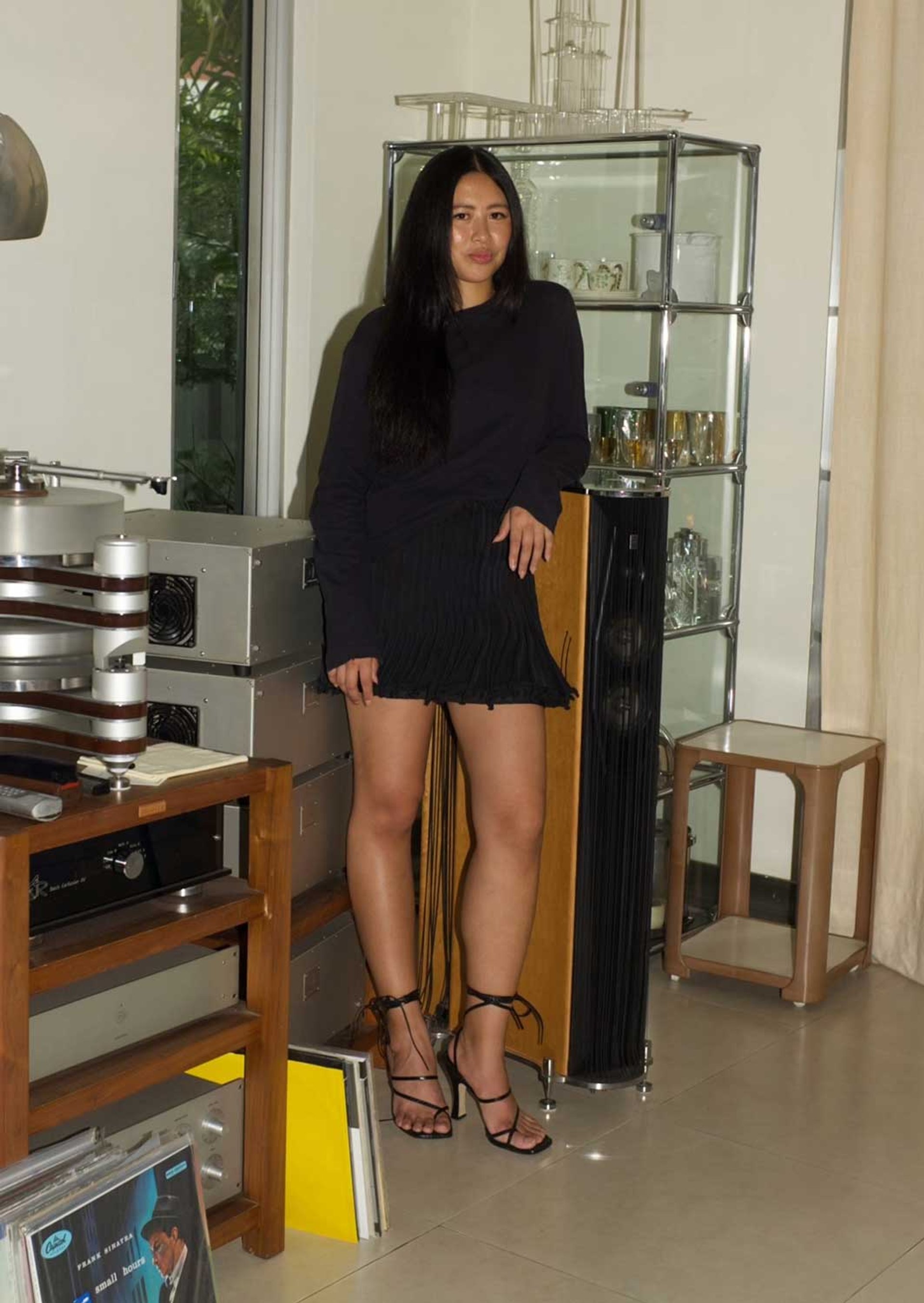
Yi Ng, the chief executive of SR_A. Photo: Tim Tan
“For younger generations, craftsmanship, creativity and culture are still a prerequisite,” Épinay says, “but they are also right to have high expectations. This is an opportunity for brands to align excellence with meaning—to sustain craftsmanship, support cultural ecosystems, elevate labour standards and strengthen communities.” She has commissioned new research to understand better how young people are introduced to the sector. “At least one in two young consumers say they inherited their taste for luxury from their parents,” she says. “That’s 50% in France, 61% in the US and 56% in China. They trust their parents’ judgement. Family heritage remains a decisive factor.”
Lee, self-described as “the oldest millennial possible”, instead points to a gap in understanding between generations. “The founders of today’s luxury conglomerates started out in the 80s. They were my age at the time, selling the dream and products to people they understood well. To maintain their advantage in the future, the people running the houses, the marketers, everyone, need to be represented by a younger demographic.”
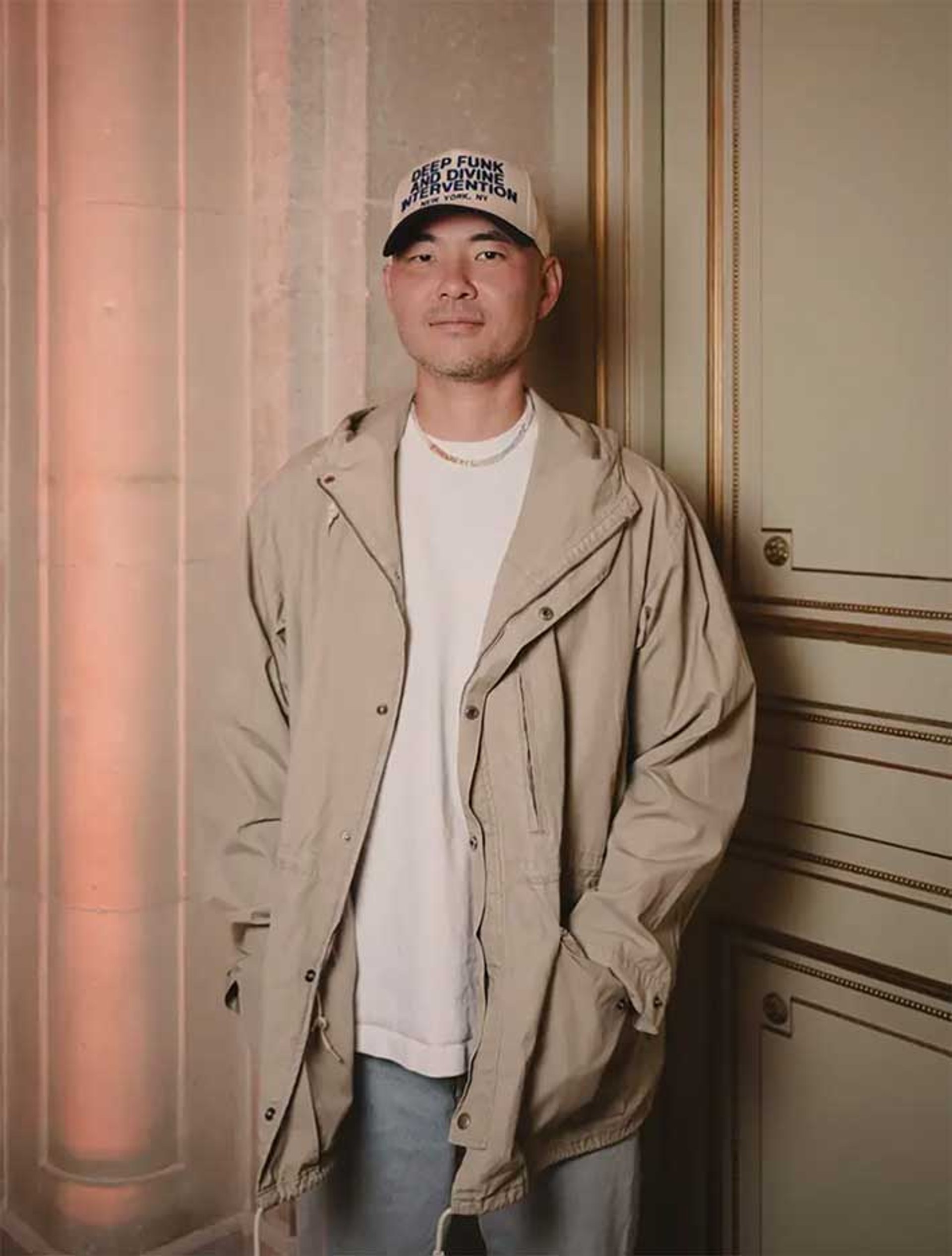
Los Angeles-based Jesse Lee chairs Basic.Space, an online marketplace for curated art and fashion, as well as the Design Miami fair. Courtesy Jesse Lee
Meanwhile, hot, youngish designers can add a buzz to a brand, too. The critical reception surrounding couture shows at Dior and Chanel, thanks to new creative leads in the form of Jonathan Anderson and Matthieu Blazy—both aged 41—prove that point. Within 90 minutes of Dior’s show, the full collection was installed at Villa Dior for clients to order, so it is not just about quality and innovation. What today’s audiences truly desire is immediate access.
Remi Guillemin, the head of watches for Europe and the Americas at Christie’s, describes his new client base as “very young, earned their money in tech, AI, crypto, maybe finance, and are drawn to watches as collectables. They are especially interested in top independent watchmakers. We even had to expand the capacity of our live auctions.” The lure of a Richard Mille watch bears this out. The company, though only 25 years old, has become a leader in the sector, the attraction based not just on crafted perfection (each piece is made by a single watchmaker from beginning to end), but also the fact that only 5,000 to 6,000 are made each year. In the booming jewellery category, Fawcett states: “People are fighting over exclusivity, climbing over one another to try and buy a piece from Hemmerle or Glenn Spiro—because they know the pieces are unique.”
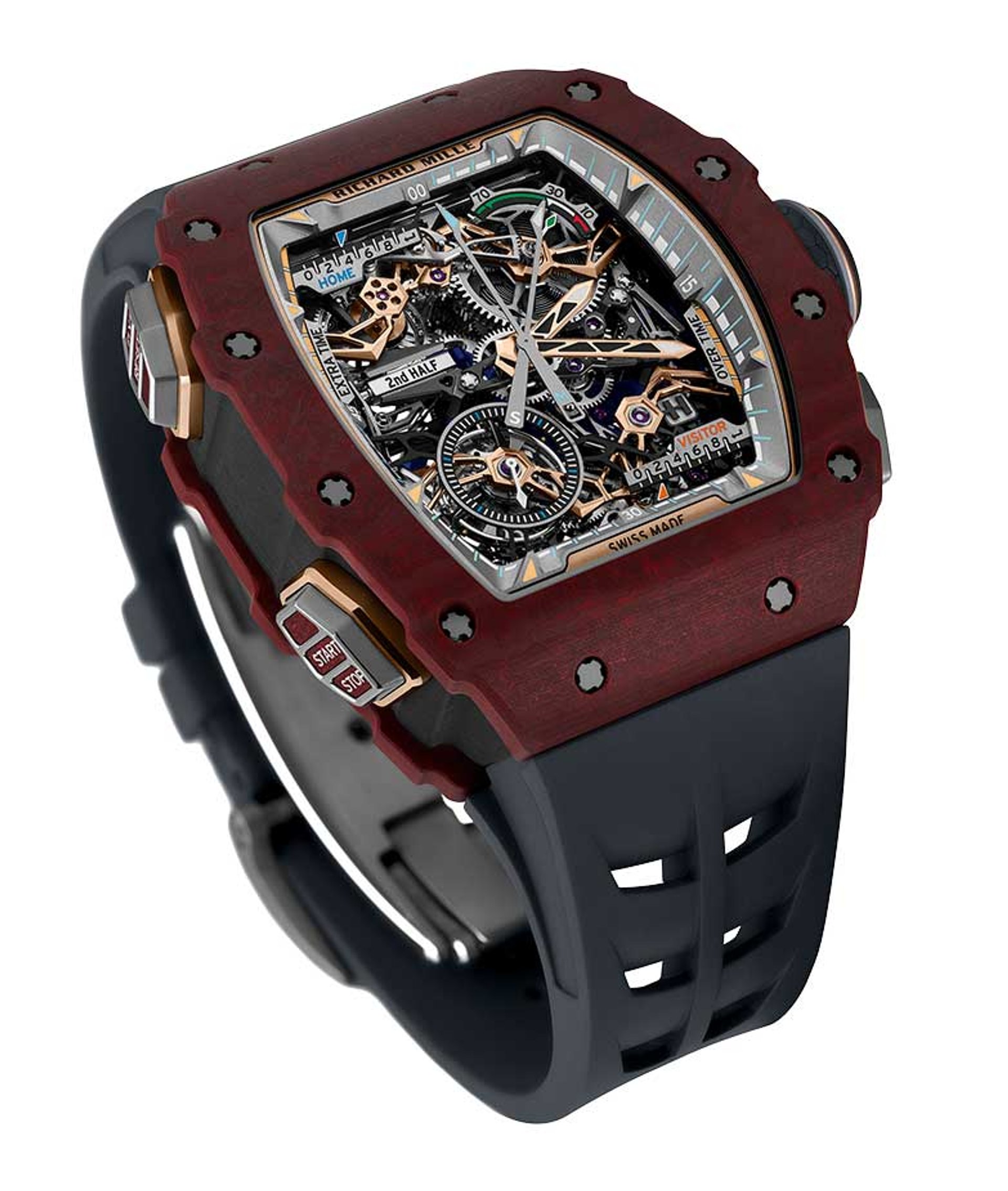
Richard Mille watch. Courtesy Richard Mille
People are climbing over one another to try and buy a piece from Hemmerle or Glenn Spiro
If it is hard to match this up to a contemporary world of fast digital accessibility, Ng believes that is the future. “Limited drops, cultural capital, controlled distribution and mass digital reach has reshaped the modern luxury playbook,” she says, and reiterates that “wellbeing now underpins a new form of wealth signalling—one rooted in optimisation rather than excess. The modern luxury elite signals not only what they own, but how well they sleep, recover and perform.” Names like LYMA are forging the way, with its new “exercise-in-a-pill” supplement, which it claims can mimic the effects of fat-burning exercise and energy-producing metabolic processes.
Nonetheless, when French luxury holds court at The Shed in May, history will not be overlooked. The Louvre will display the only certified copy of the Mona Lisa; the last time the original painting was displayed in the US was at the request of Jacqueline Kennedy. “We are not conducting business in a transactional way,” Épinay says. “We present our heritage and creativity, and behind the scenes dialogue happens. History shows that in uncertain times, we come together.” But even she cannot deny that a new luxury landscape is taking shape—one where craftsmanship, scarcity and authenticity still matter, but where the shifting desires of a new generation’s gut will call the tune.
Hidden Treasures: 250 Years of Franco-American Luxury Stories is at the Shed at Hudson Yards, New York, 26-31 May
