


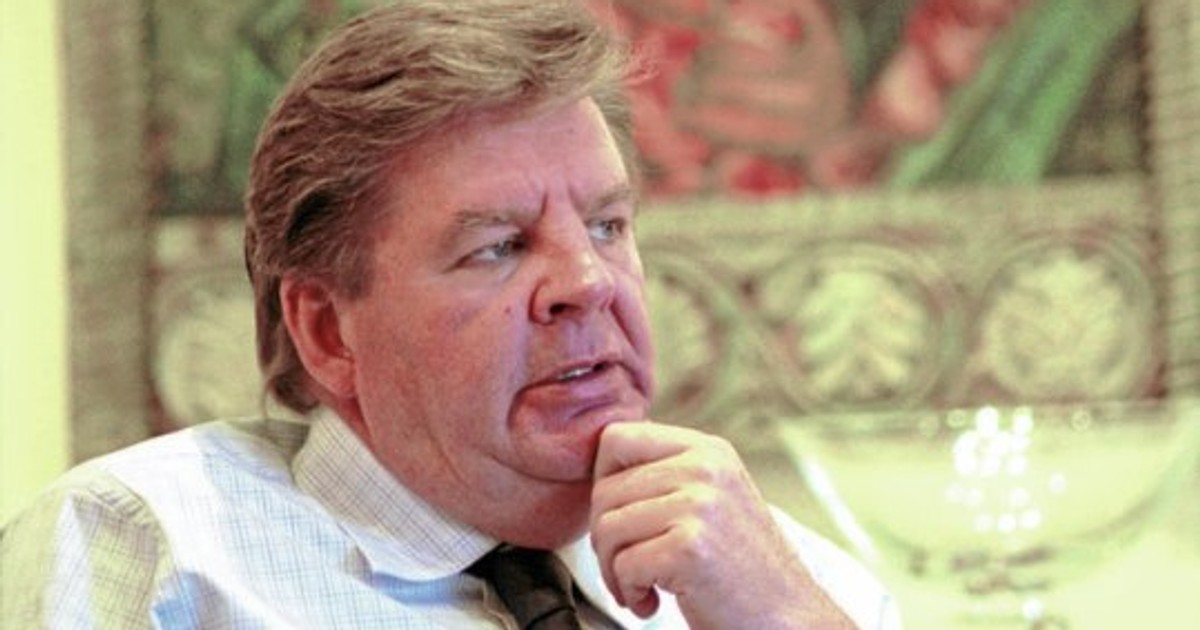
Rupert, whose fortune is estimated at about $18.9 billion and the second-richest person in Africa according to the Bloomberg Billionaires Index, has secured control of The Bridge Stellenbosch, a large mixed-use development in South Africa’s Western Cape following a dispute with businessman Rurik Göbel over a R2.3 billion ($139 million) land transaction tied to the project, according to News24.
The victory gives Rupert’s camp the upper hand in a project that could become one of the most significant private-sector developments in the Cape Winelands, a region increasingly attracting investment as South Africa seeks new engines of economic growth.
The dispute was unusual not only because of the sums involved but also because it pitted Rupert against a businessman who had long been regarded as a friend and trusted associate.
What began as disagreements over a proposed land transaction evolved into a bigger struggle over governance, board control and the future direction of the development.
Both sides disputed allegations that emerged during the conflict, turning what might otherwise have been a local property disagreement into one of South Africa’s most closely watched corporate battles.
Rupert’s victory now removes a major uncertainty hanging over the project and allows the development to move forward under a more settled governance structure.
The Bridge Stellenbosch is far more than a conventional real-estate venture.
Situated between Cape Town, Paarl and Stellenbosch, the 340-hectare development is planned as a mixed-use economic hub combining residential, commercial, industrial, educational and innovation precincts.
Project estimates indicate it could generate around R60 billion ($3.6 billion) in economic activity over its lifespan while creating approximately 13,000 permanent jobs, making it one of the largest private developments currently planned in the region.
The project is also expected to benefit from broader infrastructure upgrades in the Cape Winelands, including efforts to improve transport and connectivity around the region, strengthening its appeal to businesses, investors and residents.
For investors, the outcome of the dispute provides greater clarity over who will ultimately shape the future of an asset that could become a major economic node in the Western Cape.

Another victory for Rupert’s expanding empire
The billionaire chairs Swiss luxury group Richemont, owner of brands including Cartier, Montblanc and Van Cleef & Arpels, while also maintaining significant interests through investment companies Remgro and Reinet.
His wealth has climbed sharply in recent years as demand for high-end jewellery and luxury goods helped support Richemont’s performance, reinforcing his position as South Africa’s richest individual and one of the continent’s most powerful businessmen.
The Stellenbosch victory underscores another trend shaping African wealth: billionaires are increasingly looking beyond traditional sectors such as mining, finance and consumer goods toward strategic land, infrastructure and long-term development projects capable of generating economic influence for decades.
For Rupert, the battle was never simply about a parcel of land. It was about control of a strategic asset in one of South Africa’s most valuable regions.
Having won that fight, the focus now shifts from the boardroom to whether The Bridge Stellenbosch can deliver on its promise of becoming one of the Western Cape’s most transformative developments.
